Cosméticos para crianças pequenas
A escolha de produtos cosméticos para crianças e bebés tem aumentado exponencialmente nos últimos anos. Ainda assim, é importante notar que este grupo-alvo é sensível aos efeitos tóxicos destes produtos, reconhecendo-se o facto de que as crianças com menos de três anos de idade podem ser mais sensíveis a certos efeitos nocivos de determinados produtos químicos
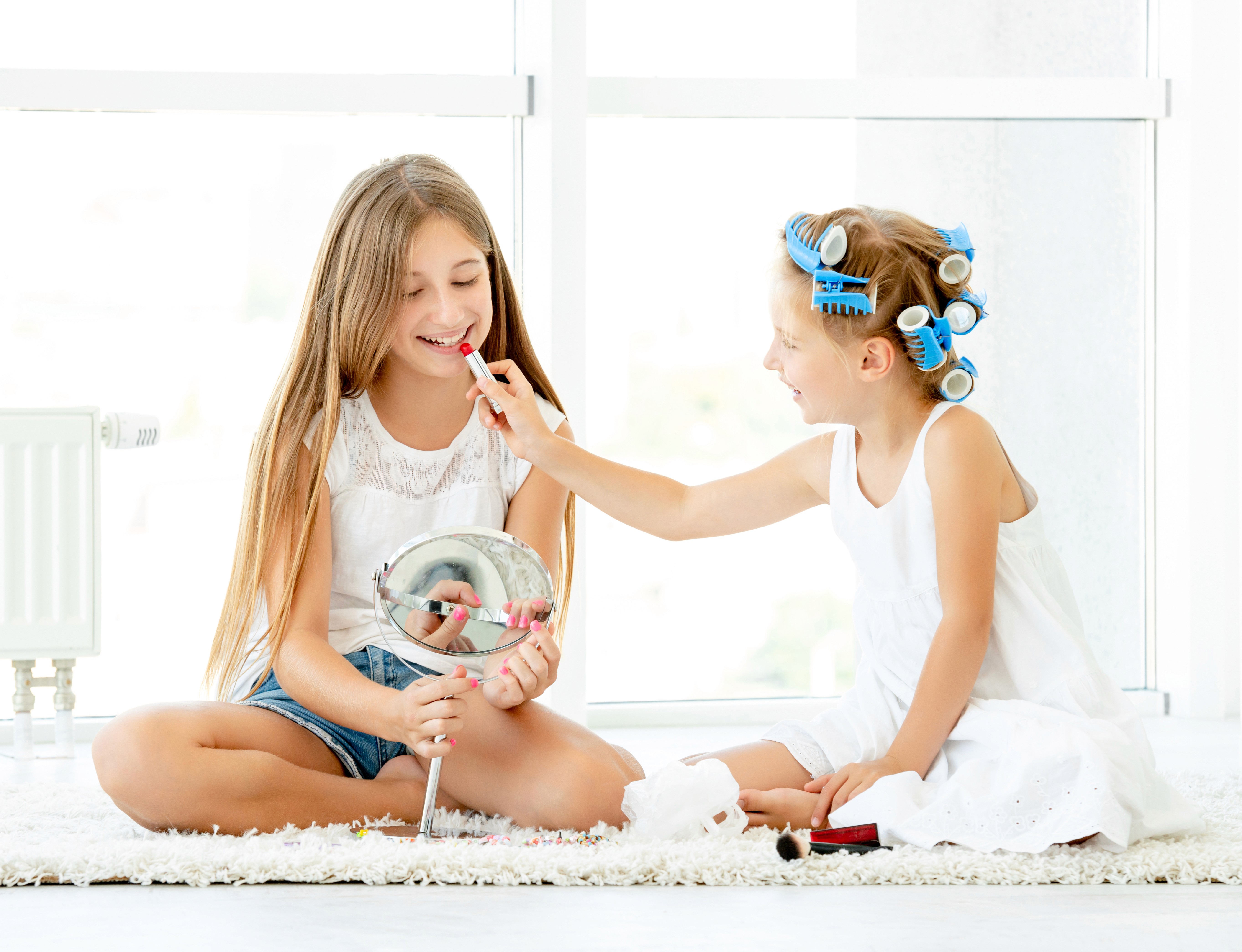
O produto deve cumprir os requisitos básicos para ingredientes cosméticos e produtos cosméticos acabados, nomeadamente o Regulamento (CE) n.º 1223/2009. Deve seguir os princípios gerais estabelecidos nas Notas de Orientação para o Teste de Ingredientes Cosméticos e a sua Avaliação de Segurança (SCCS).
Fatores de risco relacionados com as características dos lactentes:
As crianças têm uma maior relação entre a superfície da pele e a massa corporal do que os adultos.
Os sistemas metabólicos são funcionalmente imaturos até cerca dos 12 meses.
Os órgãos ou sistemas que ainda se encontram em desenvolvimento significativo podem ser particularmente sensíveis a efeitos toxicológicos.
Os bebés prematuros têm uma pele mais permeável e são metabolicamente imaturos.
Características de exposição e riscos associados
Nádegas
Todas as condições tornam a zona propensa a problemas de pele, tais como infeções, erupções cutâneas ou dermatites, que tornam a pele mais permeável aos ingredientes dos produtos cosméticos e possivelmente facilitam a sua absorção.
Ações inatas dos lactentes: maior exposição
Os produtos cosméticos que parecem brinquedos e o risco de confusão com géneros alimentícios são particularmente dignos de nota. Existem muitos cenários possíveis, dependendo da idade e do comportamento do lactente, incluindo:
Ingestão acidental do produto.
Ingestão de pequenas partes da embalagem.
Exposição ocular.
Avaliação de Segurança
Aplicação específica: É essencial ajustar os parâmetros para o público-alvo específico e considerar os diferentes níveis de exposição e a quantidade por aplicação.
Qualidade microbiológica: A contaminação microbiológica é uma fonte de preocupação particular para os produtos destinados a lactentes. A contagem total de microrganismos mesófilos aeróbios viáveis não deve exceder 10² UFC/g ou 10² UFC/mL do produto. Pseudomonas aeruginosa, Staphylococcus aureus, E.coli e Candida albicans não devem ser detetáveis em 1 g ou 1 mL do produto.
Deve ter em conta os diferentes comportamentos das crianças em comparação com os adultos e o impacto que isso tem na exposição aos cosméticos.
Brinquedos: ter em consideração que alguns cosméticos são também brinquedos e devem cumprir a Diretiva 2009/48/CE do Parlamento Europeu e do Conselho, de 18 de junho de 2009.
Quer colocar um cosmético para crianças no mercado europeu e tem dúvidas sobre o processo?
Contacte-nos!