Understanding Halal and Kosher Beauty Products
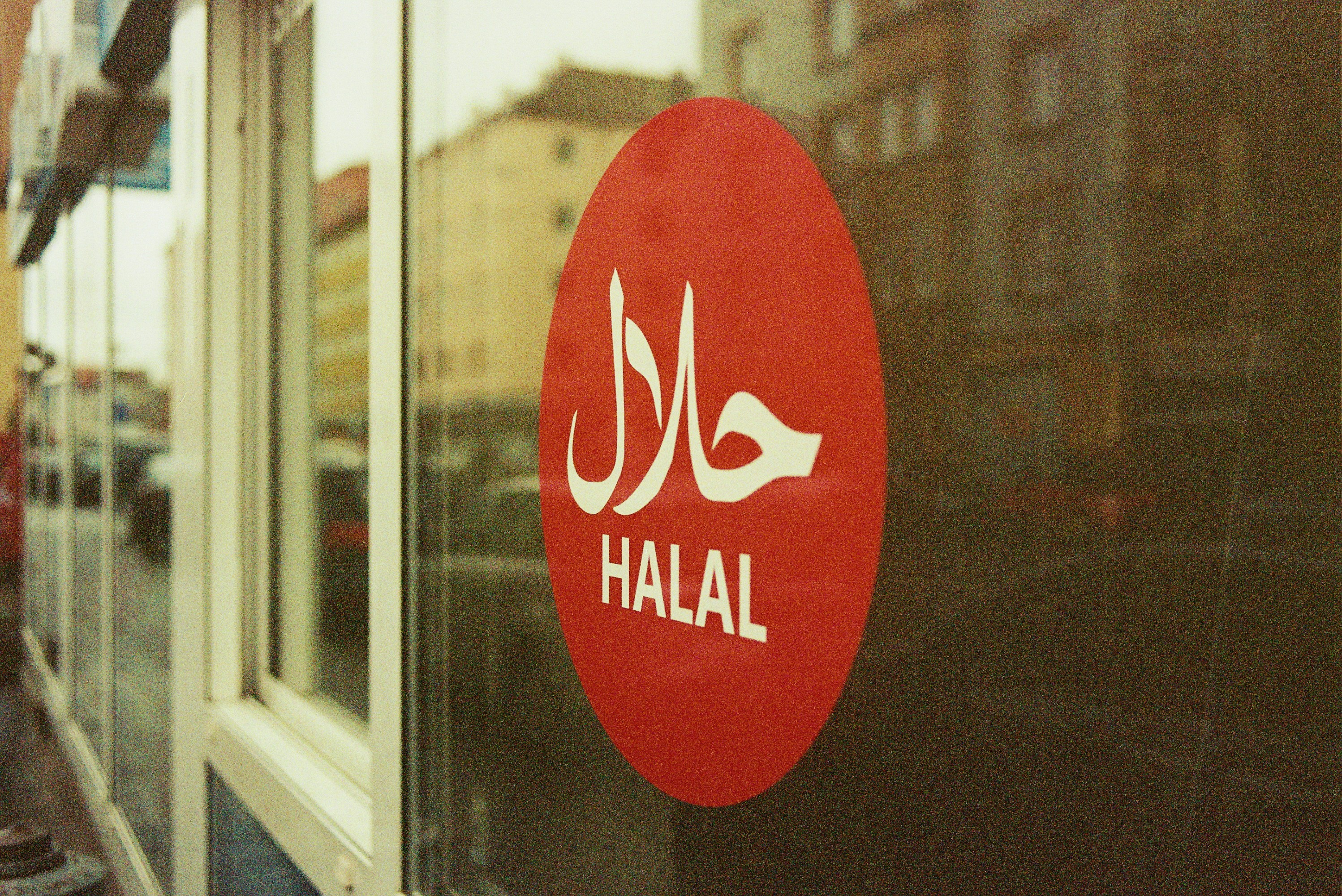
Today's consumers are more conscious than ever about the products they buy, which has led to an increase in ethical and socially responsible demands. Transparency and inclusion have become essential factors in purchasing decisions.
For Muslim and Jewish communities, adherence to religious principles goes beyond food, encompassing cosmetics, pharmaceuticals, and other everyday goods. Although the rituals of both religions may seem similar, Kosher and Halal certifications are distinct, each with its own guidelines and values.
Halal Cosmetics: More Than Just a Label
The term Halal refers to what is permitted under Islamic law. It goes beyond food and encompasses lifestyle choices, including beauty and personal care products. Halal-certified cosmetics ensure that all ingredients and production processes comply with Islamic guidelines set forth in the Quran and Hadiths.
Kosher Cosmetics: Rooted in Jewish Tradition
Kosher certification follows Jewish dietary laws, known as Kashrut, which are derived from the Torah and overseen by rabbinical authorities. These regulations also apply to beauty products, ensuring they meet strict religious and ethical standards.
Halal vs. Kosher: Key Differences in Ingredient Requirements
Halal and Kosher certifications for beauty products have distinct requirements based on their religious foundations. The main differences lie in three areas: animal-derived ingredients, alcohol regulations, and manufacturing standards.
Animal-Derived Ingredients
✅ Halal Certification:
Allows ingredients from animals slaughtered in accordance with Islamic law
✅ Kosher certification:
Prohibits the mixing of meat and dairy products
Requires animal slaughter to be supervised by a rabbi
Alcohol regulations
Alcohol regulations differ significantly between Halal and Kosher certifications:
Halal prohibits alcohol if it is the result of fermentation
Kosher allows alcohol if it comes from acceptable sources
Processing and Manufacturing Standards
Both certifications require strict compliance with manufacturing protocols. Companies must:
Maintain meticulous control of ingredients
Maintain proper documentation throughout the supply chain
Ensure strict quality control to meet religious and ethical standards
However, each certification has specific rules.
Beyond Religion: Why Are More Consumers Seeking These Certifications?
Interestingly, Halal and Kosher beauty certifications are not only sought after by religious consumers. Studies show that many people choose these products because of their perception of higher quality, ethical sourcing, and transparency in manufacturing processes.
Need Help Certifying Your Beauty Products?
Pharmilab guides brands through the certification process, ensuring compliance with Halal and Kosher standards. Want to make your beauty products more accessible and trustworthy to a wider audience? Contact us.
Strictly prohibits pork and its byproducts.