Claims of “free from” in cosmetic products: What you need to know
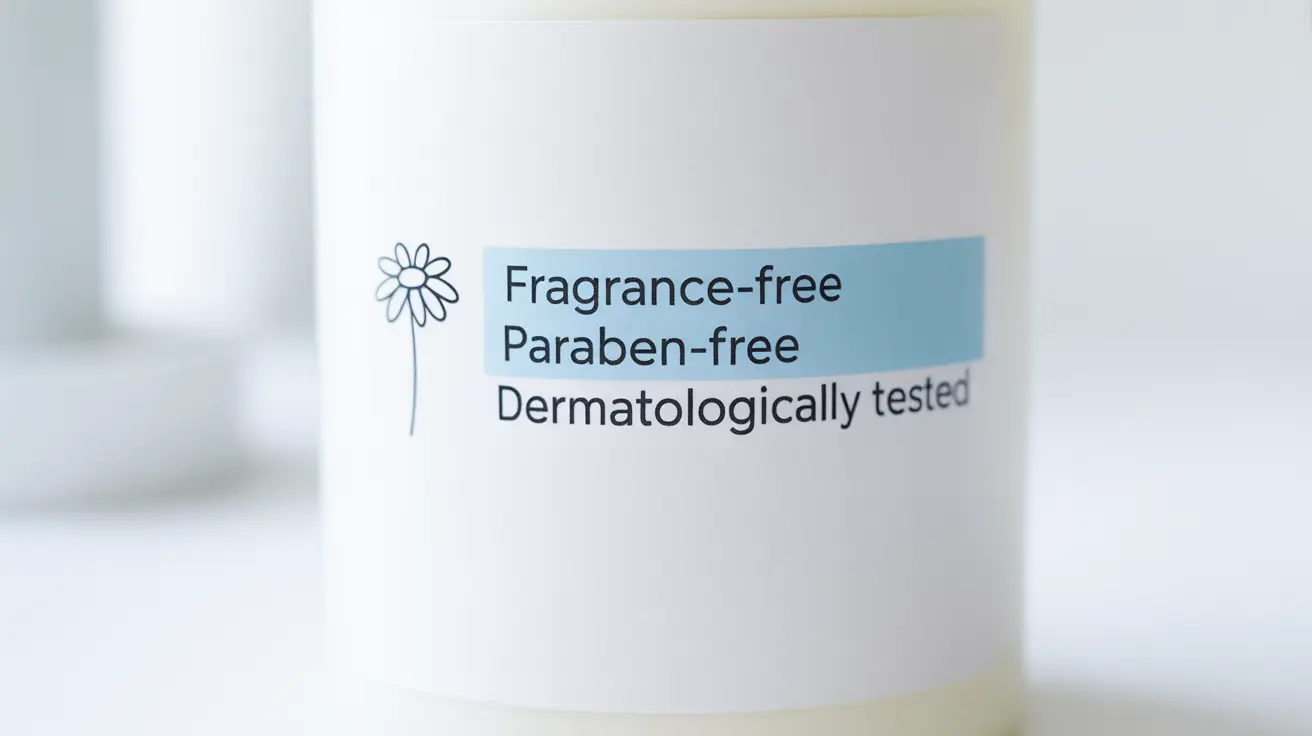
When choosing a cosmetic product, consumers often look for “free-from” claims, such as “paraben-free” or “sulfate-free.” However, European Regulation (EU) No. 655/2013 establishes clear criteria for the justification and communication of cosmetic claims, ensuring that they are true, substantiated, and not misleading.
Understanding the Regulation
Regulation (EU) No. 655/2013 establishes common criteria for cosmetic product claims, including legal compliance, truthfulness, evidential support, honesty, fairness, and informed decision-making. This means that “free-from” claims should not create a negative perception of legally approved ingredients or mislead consumers regarding a product’s safety.
Let’s look at some examples!
“Paraben-free” – This claim implies that parabens are unsafe, which is not supported by scientific evidence. Furthermore, they are permitted in specific concentrations as outlined in European Regulation (EC) No. 1223/2009; therefore, this claim should be discouraged.
“Fragrance-free” – Acceptable if the product is actually free from any added fragrance, including natural or synthetic perfumes, or ingredients with fragrance properties.
“Acetone-free” – Acceptable if it allows the consumer to make an informed decision, such as in the case of nail products.
Compliance Best Practices
To ensure compliance, cosmetic brands should:
Avoid misleading or fear-based claims.
Ensure that claims comply with Regulation (EU) No. 655/2013.
Support claims with scientific evidence whenever necessary.
Focus on transparent and responsible communication with consumers.
By following these guidelines, brands can build consumer trust while ensuring compliance with European cosmetic regulations. For more information and regulatory guidance, do not hesitate to contact our experts at Pharmilab!