Importance of preservative dosage by HPLC
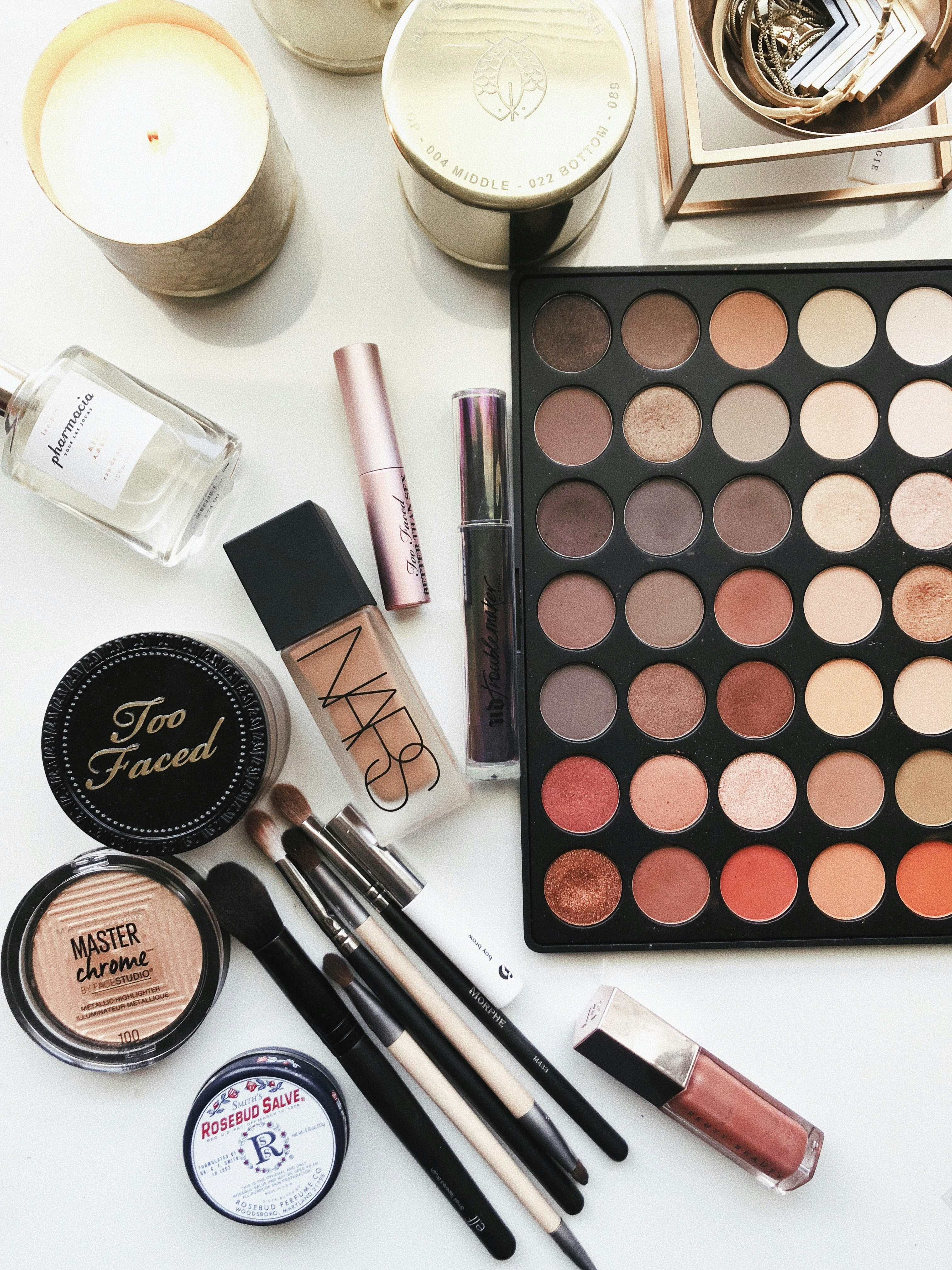
Preservatives are chemical substances, either natural or synthetic, with antimicrobial and antioxidant properties, used to extend the shelf life of products and prevent them from losing their effectiveness.
These substances are found in countless cosmetic products; they are added to formulations to prevent the proliferation of microorganisms that can alter/modify the appearance/performance of the product and, in more serious cases, negatively affect the consumer.
The cosmetics sector, recognized as one of the most dynamic and innovative in the chemical industry, has been strongly driven by growing consumer demand for safer, more effective, and more sustainable products.
This scenario has put significant pressure on manufacturers, who are forced to reformulate their products and ensure strict compliance with increasingly restrictive national and international regulations, such as Regulation (EC) No. 1223/2009, in force in the European Union.
The increased use of preservatives has led to a growing need for their regulation and control in terms of both identification and quantification.
There are several analytical techniques that can assist us in this control, one of which is High Performance Liquid Chromatography (HPLC).
The identification of these substances allows us to confirm or rule out the presence of the preservative, while quantification provides the value of its concentration, enabling control over time to assess its stability.
Thus, HPLC determination allows the simultaneous analysis of several preservatives, with high precision and lower detection limits, ensuring more sensitive and reliable results.
Have you already performed these analyses on your products? You can count on Pharmilab's support!