UDI: What it is for and why it is mandatory
The Unique Device Identification (UDI) system is an essential requirement established under the European Medical Device Regulation (MDR 2017/745) and the In Vitro Diagnostic Medical Device Regulation (IVDR 2017/746).
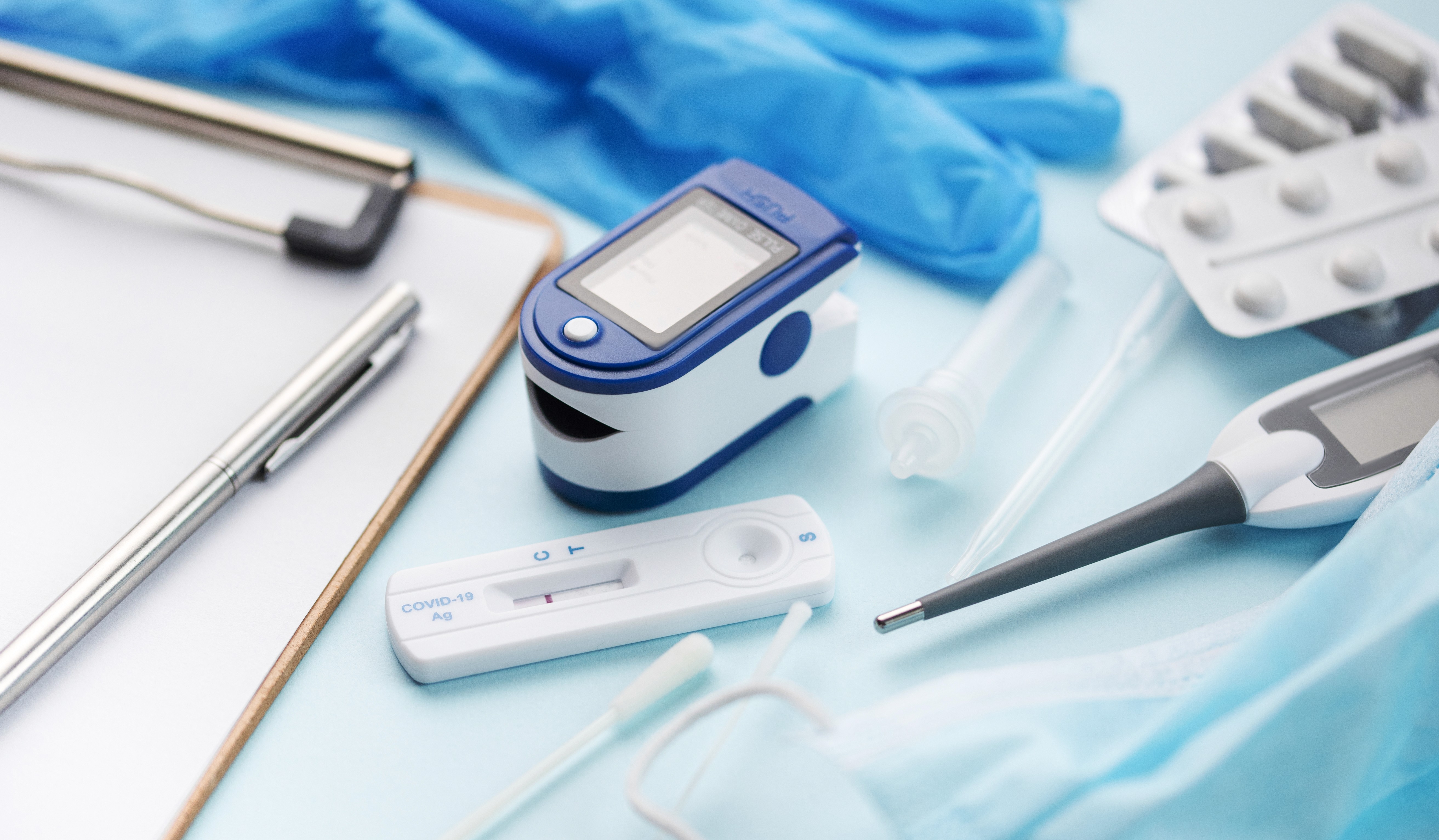
The Unique Device Identification (UDI) system is an essential requirement established under the European Medical Device Regulation (MDR 2017/745) and the In Vitro Diagnostic Medical Device Regulation (IVDR 2017/746). It is designed to strengthen traceability, patient safety, and transparency across the medical device market. in Vitro (IVDR 2017/746), designed to enhance patient traceability, patient safety and market transparency of medical devices.
What is the purpose of the UDI?
The UDI system enables:
• Rapid traceability in the event of a recall or incident recall or incident
• Unambiguous identification of each device
• Effective monitoring throughout the product’s lifecycle
• Support for audits and regulatory oversight by health authorities
Responsibilities:
• Manufacturers: Assign a UDI to each device and register the required information in EUDAMED, the European database for medical devices.
• IImporters and distributors: Ensure that the UDI remains visible, legible, and durable throughout the device’s entire lifecycle.
Mandatory Use and Deadlines:
The UDI system is mandatory for all medical devices placed on the European Union market. Implementation timelines vary depending on the device’s risk class: higher-risk devices are subject to shorter deadlines, reflecting the priority given to patient safety.
More than a regulatory requirement, the UDI is a strategic tool that enhances safety, transparency, and trust in medical devices, benefiting manufacturers, healthcare professionals, regulatory authorities, and, above all, patients.