Food and Drinks
Food and Drinks
regulatory
regulatory
Pharmilabprovidestechnicalandregulatoryservicestosupportthedevelopment,labelling,andcommercializationoffoodandbeverageproducts.
Pharmilabprovidestechnicalandregulatoryservicestosupportthedevelopment,labelling,andcommercializationoffoodandbeverageproducts.
Pharmilabprovidestechnicalandregulatoryservicestosupportthedevelopment,labelling,andcommercializationoffoodandbeverageproducts.
Within-depthknowledgeofbothEuropeanandnationalfoodlegislation,weensurethatyourproductsmeetalllegalrequirementsfromcompositiontonutritionalclaimsguaranteeingquality,safety,andconsumertrustinthemarket.
Within-depthknowledgeofbothEuropeanandnationalfoodlegislation,weensurethatyourproductsmeetalllegalrequirements—fromcompositiontonutritionalclaims,guaranteeingquality,safety,andconsumertrustinthemarket.
Within-depthknowledgeofbothEuropeanandnationalfoodlegislation,weensurethatyourproductsmeetalllegalrequirementsfromcompositiontonutritionalclaims,guaranteeingquality,safety,andconsumertrustinthemarket.

Labeling
Labeling
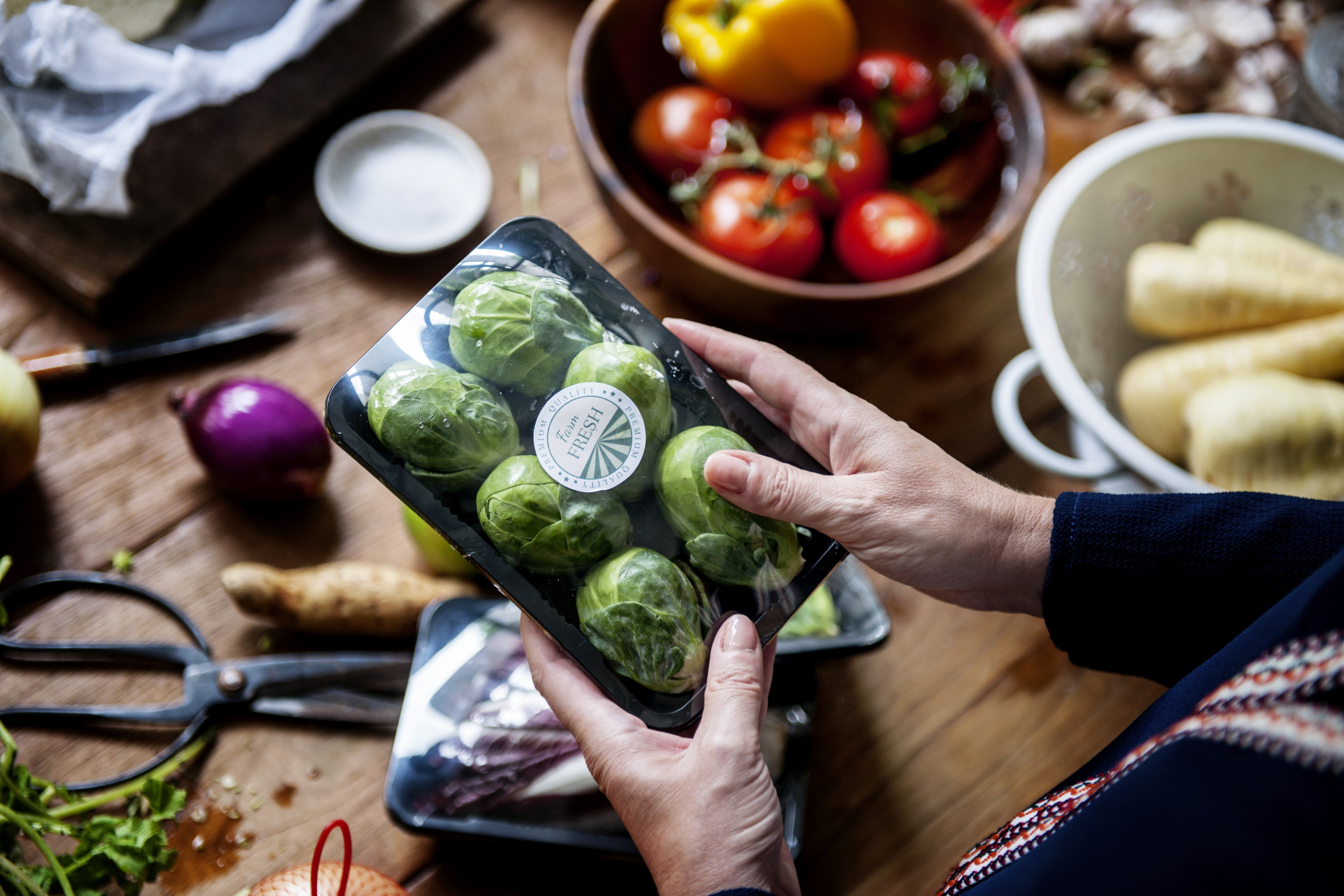
Food and supplement labels must be clear and compliant with EU regulations (such as 1169/2011 and 178/2002) and specific laws like Decree-Law No 118/2015. Mandatory labeling requirements include the product name, ingredient list, allergens, nutrition facts, origin, expiry date, and safety warnings. Because rules vary by product category, professional guidance is recommended to ensure all mandatory and optional details are correctly applied.
Food and supplement labels must be clear and compliant with EU regulations (such as 1169/2011 and 178/2002) and specific laws like Decree-Law No 118/2015. Mandatory labeling requirements include the product name, ingredient list, allergens, nutrition facts, origin, expiry date, and safety warnings. Because rules vary by product category, professional guidance is recommended to ensure all mandatory and optional details are correctly applied.
Food and supplement labels must be clear and compliant with EU regulations (such as 1169/2011 and 178/2002) and specific laws like Decree-Law No 118/2015. Mandatory labeling requirements include the product name, ingredient list, allergens, nutrition facts, origin, expiry date, and safety warnings. Because rules vary by product category, professional guidance is recommended to ensure all mandatory and optional details are correctly applied.
Nutritional and
Health Claims
Nutritional and
Health Claims
Nutritional and Health Claims
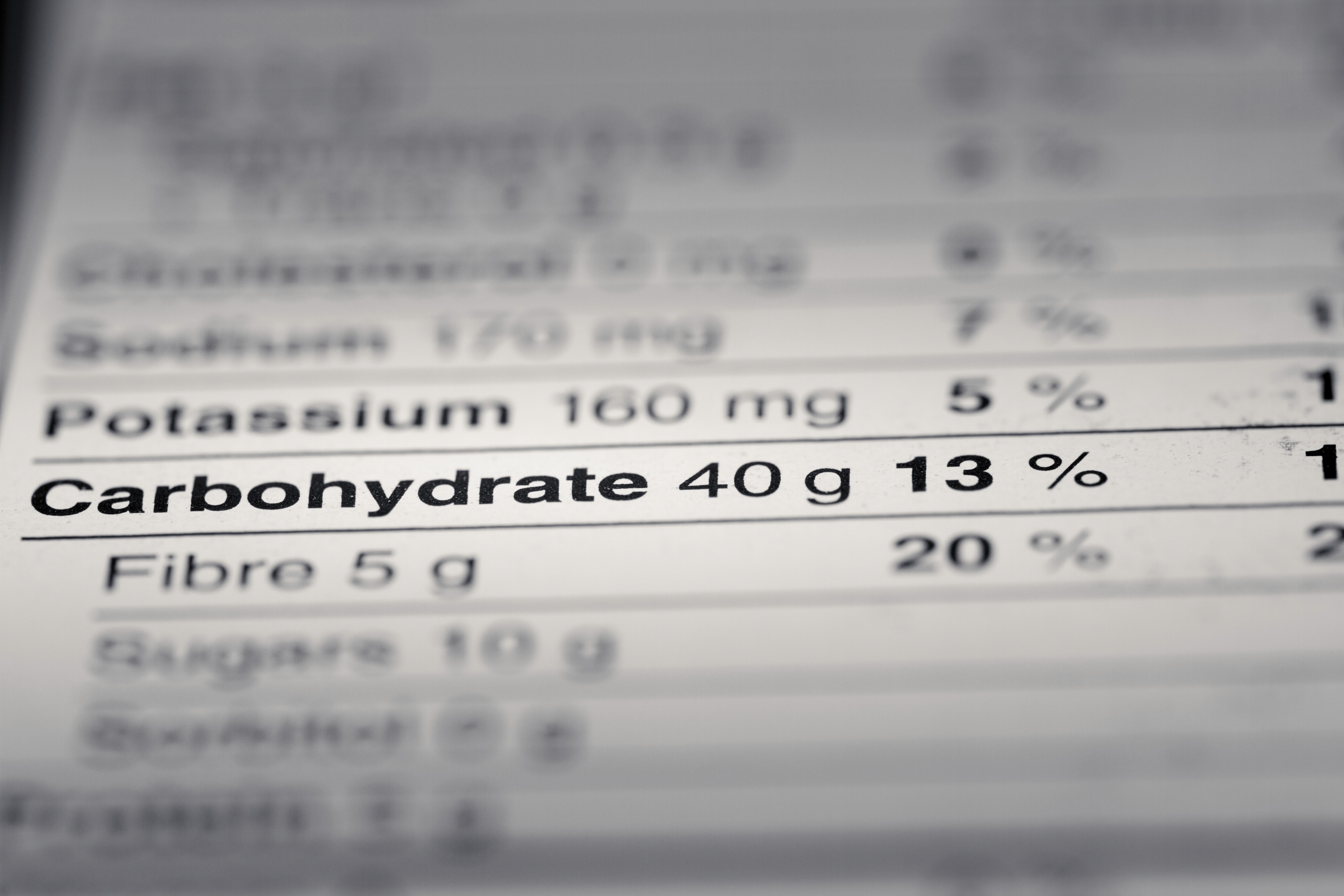
Nutrition and health claims on food labels are voluntary tools that can significantly enhance marketing and product value. However, their use is strictly controlled by Regulation (EC) No 1924/2006 to ensure all highlighted benefits are accurate and substantiated. Professional guidance is recommended to ensure these claims are applied correctly and compliantly.
Nutrition and health claims on food labels are voluntary tools that can significantly enhance marketing and product value. However, their use is strictly controlled by Regulation (EC) No 1924/2006 to ensure all highlighted benefits are accurate and substantiated. Professional guidance is recommended to ensure these claims are applied correctly and compliantly.
Nutrition and health claims on food labels are voluntary tools that can significantly enhance marketing and product value. However, their use is strictly controlled by Regulation (EC) No 1924/2006 to ensure all highlighted benefits are accurate and substantiated. Professional guidance is recommended to ensure these claims are applied correctly and compliantly.

Ingredients, Food
Additives and Novel Food
Ingredients, food Additives and Novel Food
Food and drink formulations are complex formulations beyond vitamins and minerals that also include fibers, amino acids, and plant extracts, but all ingredients must adhere to strict EU regulations.
Vitamins & Minerals: Must be approved forms listed in Regulation (EC) No 1170/2009 and Directive 2002/46/EC.
Other Ingredients: Must comply with the Novel Food Regulation (EU) 2015/2283. Any ingredient without a significant history of consumption in the EU before May 1997 is considered a "Novel Food" and requires specific safety approval.
Prohibited Substances: Manufacturers must ensure they do not use restricted ingredients as defined in Regulation (EC) No 1925/2006.
Pharmilab provides expert validation to ensure all ingredients in your formula are authorized, safe, and fully compliant with EU law.
Food and drink formulations are complex formulations beyond vitamins and minerals that also include fibers, amino acids, and plant extracts, but all ingredients must adhere to strict EU regulations.
Vitamins & Minerals: Must be approved forms listed in Regulation (EC) No 1170/2009 and Directive 2002/46/EC.
Other Ingredients: Must comply with the Novel Food Regulation (EU) 2015/2283. Any ingredient without a significant history of consumption in the EU before May 1997 is considered a "Novel Food" and requires specific safety approval.
Prohibited Substances: Manufacturers must ensure they do not use restricted ingredients as defined in Regulation (EC) No 1925/2006.
Pharmilab provides expert validation to ensure all ingredients in your formula are authorized, safe, and fully compliant with EU law.
Food and drink formulations are complex formulations beyond vitamins and minerals that also include fibers, amino acids, and plant extracts, but all ingredients must adhere to strict EU regulations.
Vitamins & Minerals: Must be approved forms listed in Regulation (EC) No 1170/2009 and Directive 2002/46/EC.
Other Ingredients: Must comply with the Novel Food Regulation (EU) 2015/2283. Any ingredient without a significant history of consumption in the EU before May 1997 is considered a "Novel Food" and requires specific safety approval.
Prohibited Substances: Manufacturers must ensure they do not use restricted ingredients as defined in Regulation (EC) No 1925/2006.
Pharmilab provides expert validation to ensure all ingredients in your formula are authorized, safe, and fully compliant with EU law.
Import, Export and
Intra-Union Trade
Import, Export and
Intra-Union Trade
Import, Export and Intra-Union Trade
International trade of food and supplements involves distinct regulatory paths. Importing into the EU requires strict adherence to EU standards, where feasibility often depends on the specific ingredients and the authorized status of the origin country. Exporting to non-EU nations requires compliance with the destination country's laws and often mandates official documents, such as Free Sale Certificates (FSC), issued by national authorities (e.g., DGAV).
Intra-EU trade generally benefits from free movement; however, individual Member States may still require specific local notifications or registrations. Pharmilab assists in navigating these complex procedures and preparing the necessary regulatory dossiers for all three scenarios.
International trade of food and supplements involves distinct regulatory paths. Importing into the EU requires strict adherence to EU standards, where feasibility often depends on the specific ingredients and the authorized status of the origin country. Exporting to non-EU nations requires compliance with the destination country's laws and often mandates official documents, such as Free Sale Certificates (FSC), issued by national authorities (e.g., DGAV).
Intra-EU trade generally benefits from free movement; however, individual Member States may still require specific local notifications or registrations. Pharmilab assists in navigating these complex procedures and preparing the necessary regulatory dossiers for all three scenarios.
International trade of food and supplements involves distinct regulatory paths. Importing into the EU requires strict adherence to EU standards, where feasibility often depends on the specific ingredients and the authorized status of the origin country. Exporting to non-EU nations requires compliance with the destination country's laws and often mandates official documents, such as Free Sale Certificates (FSC), issued by national authorities (e.g., DGAV).
Intra-EU trade generally benefits from free movement; however, individual Member States may still require specific local notifications or registrations. Pharmilab assists in navigating these complex procedures and preparing the necessary regulatory dossiers for all three scenarios.
Conquer the world
with your brand
Fill out the form today and experience expert services

Conquer the world
with your brand
Fill out the form today and experience expert services
Conquer the world
with your brand
Fill out the form today and experience expert services